


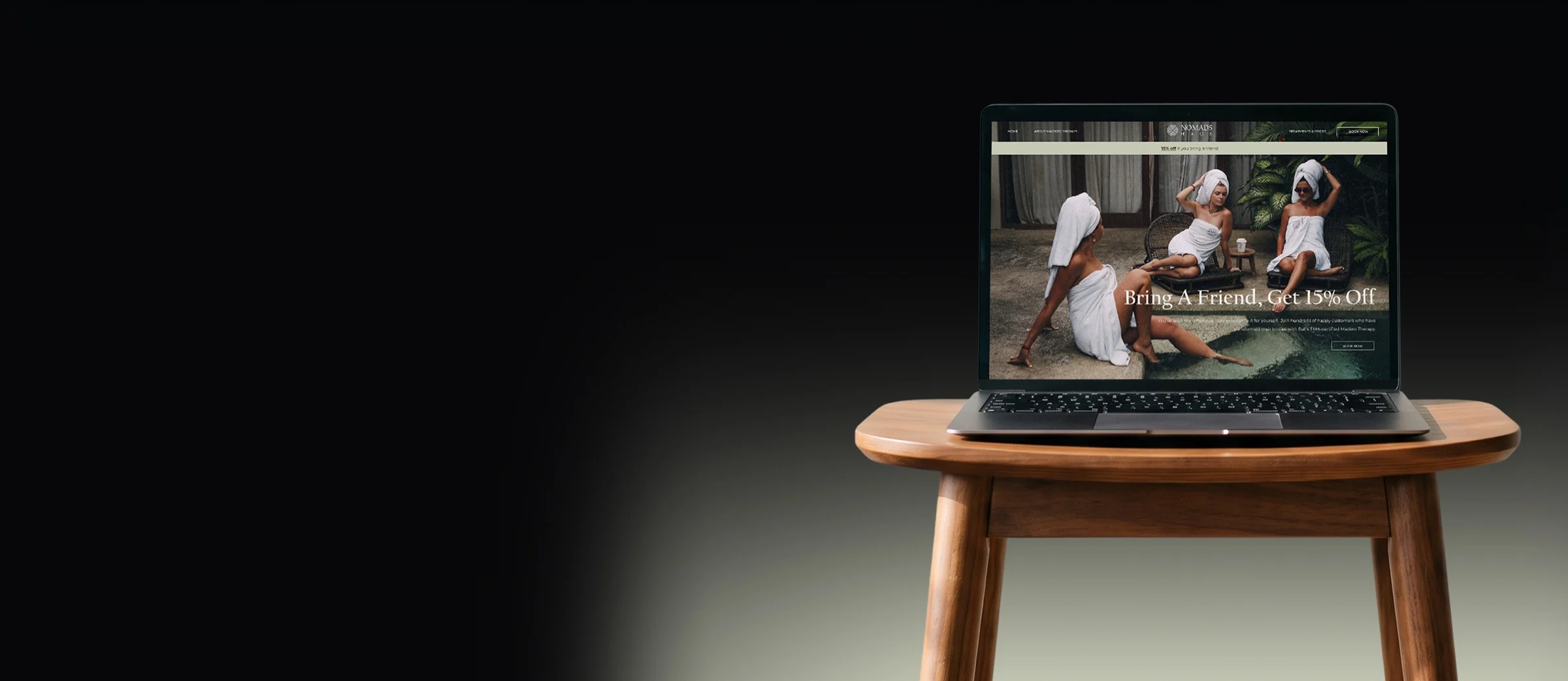
UI/UX design
Research-driven product design that turns complex flows into effortless experiences; from first wireframe to a scalable design system your developers will actually thank you for.
The reality
Complexity is not the enemy of good
product design. Unexamined complexity is.
Every extra field, step and choice is a tax
your user pays and your conversion rate collects.
We design products around the core job to be done, stripping away the friction. The output is a robust system of components and rules that developers can build without guessing, engineered to survive the next twenty features.
What's included.
UX research
Interviews, analytics review and usability testing to find where users actually struggle.
Flows & wireframes
Task flows and low-fidelity structure agreed before visual design begins.
Interface design
High-fidelity screens across breakpoints, with real content and real edge cases.
Design system
Tokens, components, states and documentation built for handoff and long-term scale.
Prototypes
Clickable prototypes for testing and stakeholder sign-off before engineering time is spent.
Handoff
Developer-ready specs, assets and working sessions with your engineering team.

Step by step.
Five stages, one point of contact, a written update every Friday. Stage one costs nothing.
Our works in this service.
Real projects where this service did the heavy lifting; the brief, the decisions and what shipped.
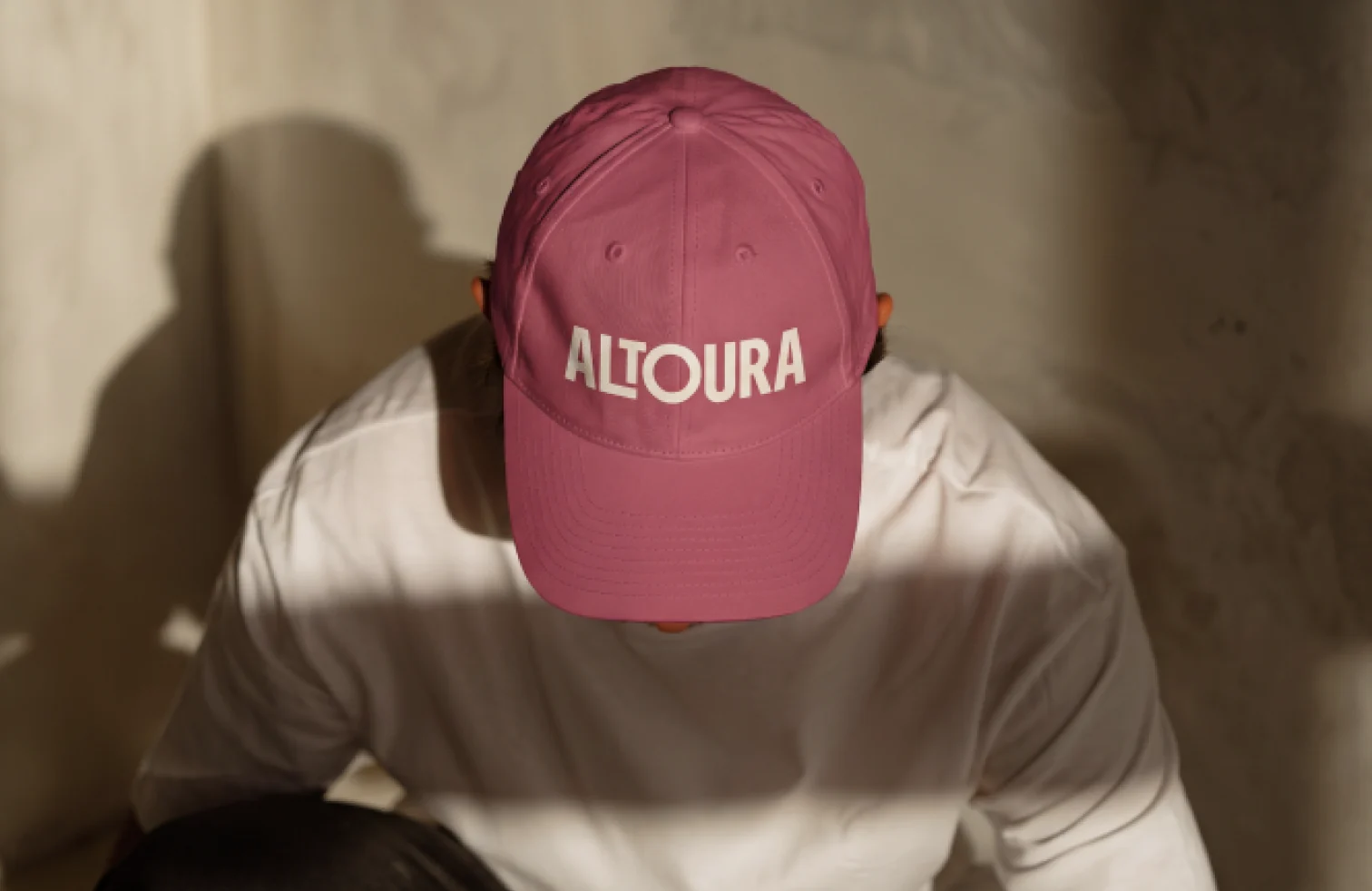

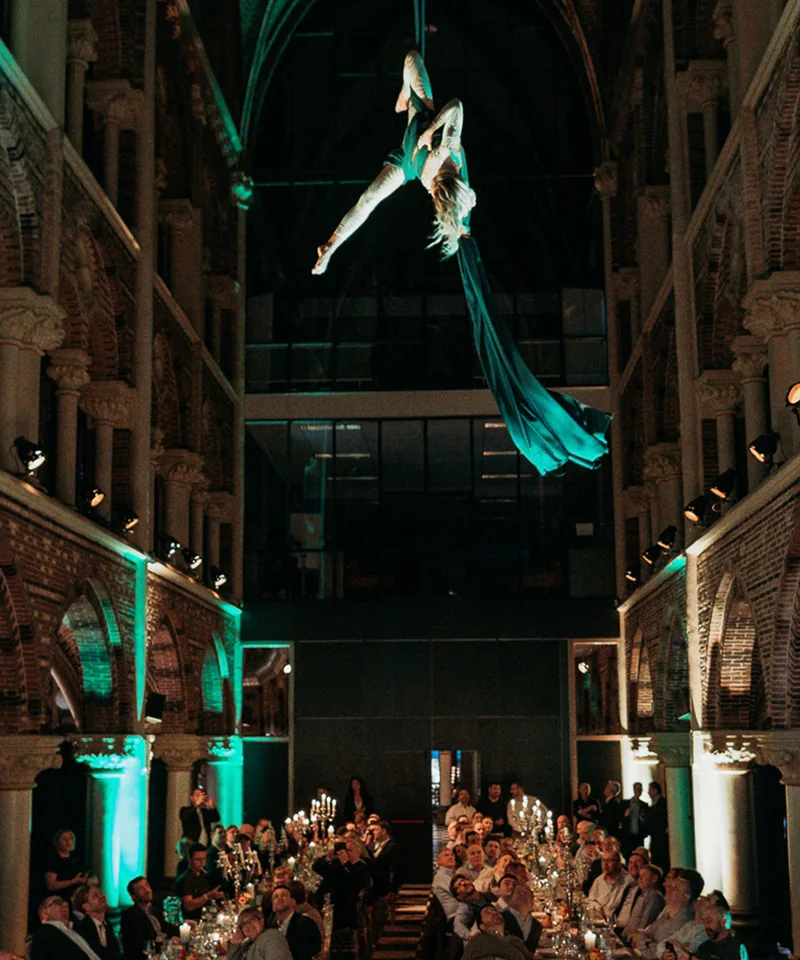
Our service in industries
See how we applied this service in different industries



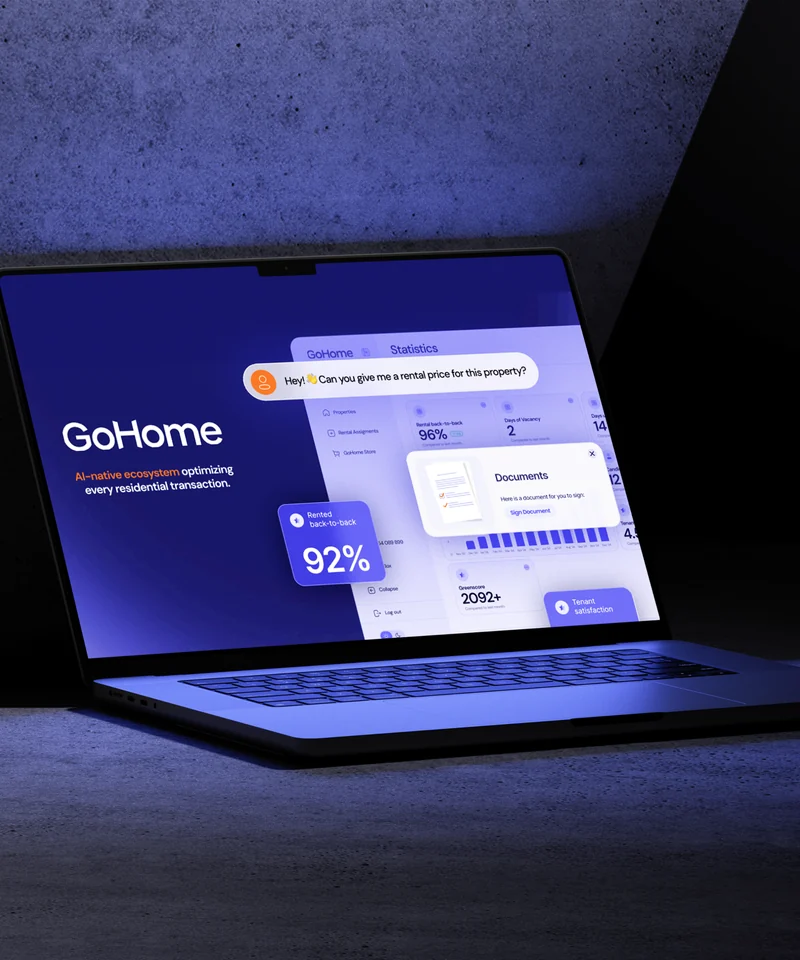



What clients say.

Working with Kaya and the team has been a great experience. They have an exceptional eye for design, a very high level of taste, and consistently delivered thoughtful, high-quality work. Communication was always smooth, they were proactive, receptive to feedback, and genuinely cared about creating the best possible outcome. I couldn’t be happier with the collaboration and would absolutely work with them again.


FAQ
Do you work with our existing development team?

Yes, and it is usually the better setup. We design to your stack and your component library, join sprint rituals where it helps, and stay available through implementation so the built product matches the designed one.
Can you design for an existing product without a rebuild?
Usually, yes. We start from your analytics and support tickets, fix the two or three flows losing the most users, and introduce the system gradually behind them. A full redesign is a decision, not a default.
Do you run user testing?
Yes: moderated sessions on the wireframes and again on the prototype, five to eight participants each round. It is the cheapest hour in the whole project: every issue found there costs a fraction of finding it after launch.
What do we actually receive?
The research findings, the flows and wireframes, the high-fidelity screens across breakpoints, a clickable prototype, and a documented design system with tokens, components and states, all in your own Figma file.
Blog.
Marketing approaches, launched work and the thinking behind it; written by the people doing it, not a content farm.


